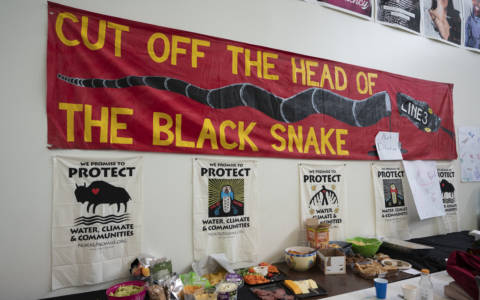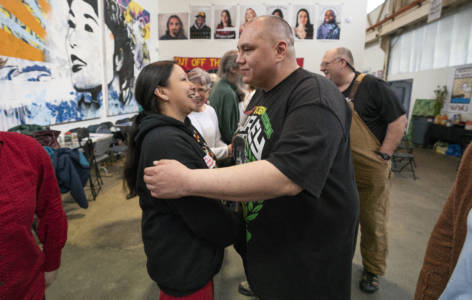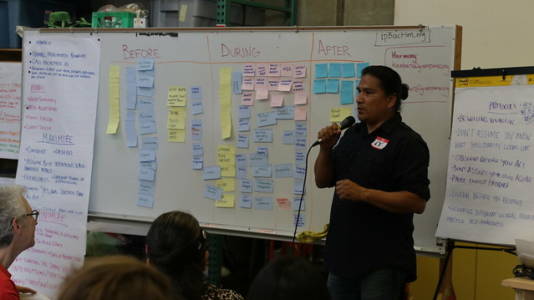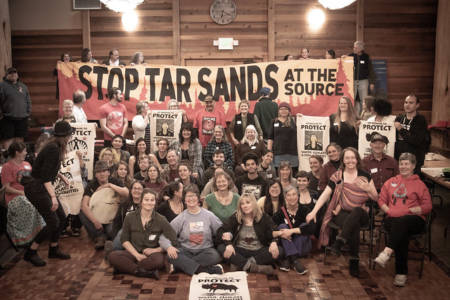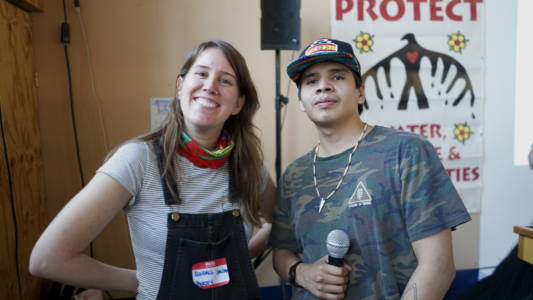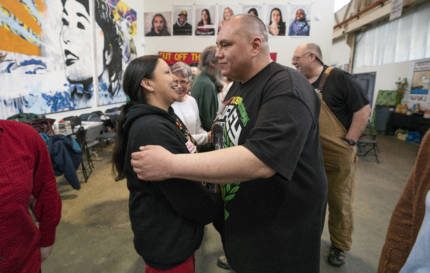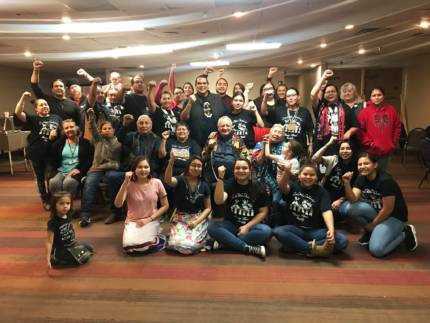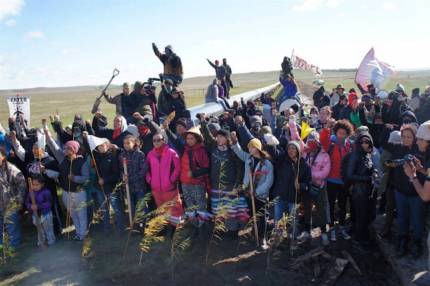
The Promise to Protect Training Tour trained 1,160 organizers across the U.S. in 9 cities to follow Indigenous leadership to take non-violent direct action against fossil fuel infrastructure from entering their communities. Watch our wrap-up video and sign on to the Promise to Protect today. ]]>
What was the Promise to Protect Training Tour?
The Promise to Protect Tour came to 9 cities across the United States this spring and helped train 1,160 organizers to follow Indigenous leadership and learn how to take nonviolent direct action against fossil fuel infrastructure from coming into their communities. Organizers were provided the opportunity to understand how to organize locally while being a part of a broader, unified movement to stop the fossil fuel industry. We have such a short window to address the climate crisis and we need to escalate to the scale of the problem – and this tour was a great start.
Spanning from Oakland to Miami, the Promise to Protect Tour helped build solidarity between Indigenous and Non-Indigenous activists by teaching folks how to be a good relative and to amplify allyship and strategic action. It also helped solidify a collective understanding of the work and approach needed to build a movement strong enough to stop the most powerful industry in the world–and the politicians that are beholden to them– from continuing to put communities and our climate at risk.
Sign on to the Promise to Protect today and stay up to date with the latest actions, information, and resources to help you and your community resist fossil fuel infrastructure.
]]>Spanning from Oakland to Miami, the Promise to Protect Tour helped build solidarity between Indigenous and Non-Indigenous activists by teaching folks how to be a good relative and to amplify allyship and strategic action. It also helped solidify a collective understanding of the work and approach needed to build a movement strong enough to stop the most powerful industry in the world–and the politicians that are beholden to them– from continuing to put communities and our climate at risk.
Our highlight reel
Organizers who participated in the training deeply engaged with lessons such as how to appropriately fill support roles in a nonviolent direct action, protocols for mobilizing in Lakota territory, and how to bring these skills back to their communities to take local action.
What organizers are saying about the Promise to Protect Training Tour this spring:

I am inspired greatly by how as a large group the tour reflected learning new ideas of relating to one another with such a diverse group of attendees. I am also moved by the connections that attendees made with one another sharing the common interest in Promising to Protect. – Dita Devi, Miami

The Promise To Protect training in Boston brought together community members and climate organizers from around New England with Indigenous allies to reconfirm our commitment to joining them on the frontlines of Keystone XL, fossil fuel infrastructure fights, and other struggles when called upon by Indigenous leaders. By building new relationships and rekindling old ones, we are building a movement to keep fossil fuels in the ground and move towards a just and equitable future. – Alan Palm, Boston

The bay area promise to protect tour stop was inspirational! People from all walks of life attended, including a large group of wise women from the affinity group called 1,000 grandmothers. Many frontline activists were present such as Socorro, who came to meet others who are fighting big oil like she is in the bay area’s refinery corridor. After the Saturday training, some folks stuck around and others joined for the Protect the Bay Coalition’s Tar Sands Free SF Bay art build. The bay area now has hundreds of activists trained up on how to take direct action against the Keystone XL pipeline and how to respect Lakota protocol. A big thanks to the trainers and Promise to Protect tour organizers who made this all possible.– Mary Zeiser, Stand.Earth
What’s next?

We spoke with 350.org Keep it in the Ground Campaign lead, Kendall Mackey to hear about what the Promise to Protect Team’s plans are after the training tour to continue ensuring communities have the tools to #keepitintheground.
“The most important thing people who attended the training tour can be doing right now is engaging in the local work happening in their communities stopping the expansion of the fossil fuel industry. It’s important we all stay vigilant and ready to mobilize if invited by the leadership on the ground to stop KXL, and we should be putting the skills built and the lessons learned through this tour into practice right now in the communities we live in. This movement has never been about one pipeline–it’s about building a movement large enough to take on the fossil fuel industry and win.” – Kendall Mackey, 350.org
As government leaders continue to try shutting down pipeline protestors and the wider movement work to stop the fossil fuel industry, we must continue to keep up the momentum. The tour was a catalyst for greater resource sharing, learning, and movement building that is so critical to the fight against dirty energy. We are excited to see what trainees will be bringing back to their communities, and how our team will continue to brainstorm and engage organizers nationwide who see the need to be part of this work and want to lead others to also take meaningful action.
Stay tuned for more work by signing on to the Promise to Protect at nokxlpromise.org.
]]>
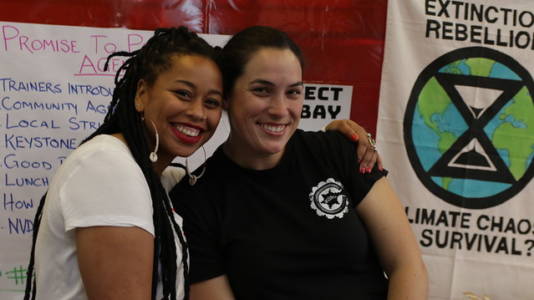
Faces and moments from the Promise to Protect Training Tour so far.]]>
The Promise to Protect Training Tour is making its fourth stop this weekend, in Oakland, California. So far, we’ve trained hundreds of people, worked with some amazing trainers, and learned a lot along the way! Here are some faces and moments from the Albuquerque, Denver, and Minneapolis stops.
Trainer and community organizer Andy Iron Shell took some time in Minneapolis to talk about what he’s protecting and how we all have a role to play in transforming the energy economy:
Union worker Nick Herod explains that choosing between a livable climate & good jobs is a false dichotomy, and that the future is alternative energy — not fossil fuels and pipelines:
In Denver, Caitt Johnston talks about how building community is both a key benefit of training and a key part of building a movement:
You can see all the latest pics from the road on Flickr here. Want to find a Promise to Protect Training near you? Check out our map and list of tour stops here.
]]>
By: Faith Spotted Eagle]]>
This week, dozens of Tribal Nations and allies in the fight to stop Keystone XL gathered on the Yankton reservation in South Dakota to sign the International Treaty to Protect the Sacred Against the Keystone XL Pipeline and Tar Sands.
First signed in 2013, the treaty declares “mutual opposition to tar sands projects and energy development that threaten the lands, the waters, the air, our sacred sites, and our ways of life” including Keystone XL.
We honored the current signatories, and also celebrated new signers including the Ponca Tribe of Nebraska during a beautiful and spiritual gathering.
Six years later, the International Treaty to Protect the Sacred against Keystone XL and tar sands is strong and growing. Watch as more Indigenous Nations sign the treaty in a historic show of unity in South Dakota.
Posted by 350.org on Tuesday, January 15, 2019
This treaty unifies the Oceti Sakowin, Ponca, Pawnee, Oglala and 10 First Nations in Canada, Treaty Councils, grassroots groups, environmental organizations, non-Native landowners, ranchers and farmers from Nebraska and South Dakota, including Bold Nebraska and Nebraska Easement Action Network (NEAT) in the protection of land, water, and climate against toxic tar sands.
While TransCanada announced that they hope to begin construction on Keystone XL in June, being in this room with all my relatives, I was more sure than ever that this pipeline will never be built.
Dakota beliefs remind us to give thanks for gifts received, and as Keystone XL pipeline fighters we have much to be thankful for. It’s been over a decade since TransCanada proposed this project and Indigenous peoples are united to stop this dirty pipeline to protect our land, water, and communities.
In November, U.S. District Court Judge Brian Morris nullified Trump’s crossborder permit for the Keystone XL pipeline, ordering TransCanada to cease pre-construction. The ruling also found that the Trump administration’s reversal of an Obama-era decision on the project required a new environmental review.
In addition, in the coming weeks, the Nebraska Supreme Court is expected to rule on the legality of the alternative route permitted by the NE Public Service Commission (PSC) in November 2017, which could yet bring this project to a halt.
To view the opening prayer and remarks from the gathering, watch the longer livestream here.
]]>
By Joye Braun, Cheyenne River Sioux Tribal member, Water Protector, & Community Organizer with Indigenous Environmental Network]]>
It’s been a little over a year since we launched the Promise to Protect. Together, we stopped Keystone XL for yet another year, but despite our victories in court, we must be ready to mobilize.
As with Dakota Access, we know fossil fuel companies like TransCanada will stop at nothing to try and finish their black snake, their climate destroyer.
This video takes you to the Cheyenne River Sioux Reservation in South Dakota where I live, which is less than half a mile from the pipeline’s proposed route. Communities here have been fighting Keystone XL for a decade, and we need your support now more than ever.
In the video you meet some of our elders, youth, horseback riders, mothers, aunties and uncles who have made the commitment, the promise to protect our homelands, families, not just ours, but yours too.
In early November, a federal judge ruled that Trump’s permit for the pipeline was “invalid” and ordered a new environmental review.1
While TransCanada has been banned from pre-construction activities, we’re hearing that the Trump Administration is speeding up it’s review. At the same time, lawmakers are urging Trump to to take ‘any appropriate action’ to ensure Keystone XL gets built.2
In January, we’ll be sharing an exciting plan to help do just that. In the meantime, please keep us in your thoughts and prayers and talk to your families and friends about this struggle.
]]>
Last night, a federal judge in Montana invalidated Trump’s permit for Keystone XL, ruling that the Administration violated key laws when it approved the pipeline.]]>
By: Dallas Goldtooth, Indigenous Environmental Network.
Hau Mitakuyepi! Hello relatives!
We have some great news for you!
Last night, a federal judge in Montana invalidated Trump’s permit for Keystone XL, ruling that the Administration violated key laws when it approved the pipeline.
Furthermore, the judge issued an injunction stopping all construction and associated facilities of the tar sands project, which includes any proposed man camps or pipeline storage yards!
This lawsuit was filed by Indigenous Environmental Network, the Northern Plains Resource Council, and five other groups. This decision means that no work can go forward until the government completes a new supplemental Environmental Impact Statement (EIS) for Keystone XL, which can take up to 12 months.
Lastly, Judge Morris ordered that the Trump administration’s new supplemental environmental impact statement address the following 3 questions:
In addition, the judge made the following orders:
Look relatives, this is a tremendous battle victory, we just threw a massive wrench in the aspirations of TransCanada, but the fight isn’t over. Let’s enjoy this, let’s celebrate this, and let’s continue to fight this dirty tar sands project!
We’ve learned from past experiences that pipeline companies don’t like to play by the rules, so we remain vigilant and will be monitoring TransCanada to see if they will break the law by constructing along the route.
We ask that you stay vigilant with us! Continue to demand divestment from TransCanada! Continue to share our struggle via social media! We are all in this together, relatives!
]]>
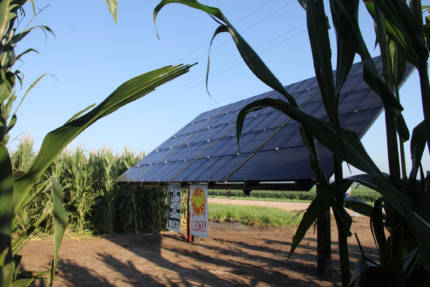
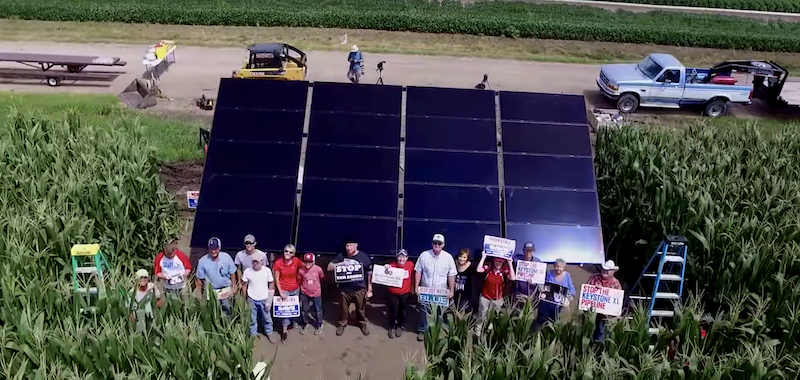
Lakota people, along with many other pipeline fighters, are building solar directly in the path of Keystone XL to send a message to TransCanada and demonstrate the solutions we want — and we need your help. By: Chairman Harold Frazier]]>
Hau mitakuyepi – (Hello relatives),
I am the Chairman of the Cheyenne River Sioux Tribe, a native nation of over 20,000 citizens that covers 4,200 square miles of pristine prairie lands and waterways in what is currently called South Dakota.
Over the past year, we’ve witnessed the power of creative and bold resistance to fossil fuel pipelines led by Indigenous peoples and those directly impacted.
From the Watch House built directly in the path of Kinder Morgan, to planting sacred corn in the path of Keystone XL, we know that direct, bold resistance can turn the tide against a project.
As the Cheyenne River Sioux Tribal Chairman, I strongly support all of the partners behind the Promise to Protect — as they plan to build two new solar installations directly in the pipeline route in Nebraska, and two mobile solar units in South Dakota to be installed this summer.
As the group of people wholly committed to stopping this project, together we can also be the group that builds the solutions we want. With all of us chipping in, we can empower our communities and inspire more people to see our vision for the future.
Can you chip in to help build Solar XL?
The fight to stop Keystone is more urgent than ever. A few weeks ago, the New York Times reported that the company is pouring money into Nebraska elections in an attempt to buy the regulatory approval it still needs.1 They’ve announced plans to begin clearing the path for the pipeline across Montana and South Dakota, through the heart of my peoples’ territory, the land of the Oceti Sakowin.2
Luckily, this pipeline is nowhere close to being built, and we’re doubling down on our efforts to prepare people for action, and build the solutions we need in the path of this disastrous project.
Solar XL is just the beginning. Next, we’ll fight to keep these solar panels in operation and stand in solidarity with Indigenous communities on the route by training and mobilizing the 17,000 people (that’s you) who’ve committed to peaceful resistance on the route if called upon.
We’ll be in touch with photos and videos from the installations, and more ways for you to share the story of Solar XL.
Thanks for your support.
]]>
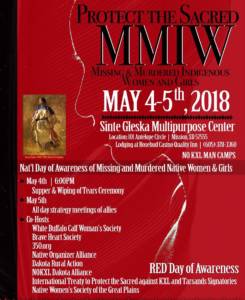
In honor of National Day of Awareness for Missing and Murdered Indigenous Women and Girls, we’re convening in ceremony and solidarity to honor and remember our missing and murdered relatives and to say no to Keystone XL pipeline. By: Faith Spotted Eagle]]>
If Keystone XL is constructed, three man camps would be built near treaty and unceded territory of the Yankton Sioux, Rosebud Sioux and Cheyenne River Sioux tribes. As we’ve witnessed, fossil fuel development is a direct attack on the water and physical safety of our daughters and women.
That’s why today and tomorrow, in honor of National Day of Awareness for Missing and Murdered Native Women and Girls, we’re convening in ceremony and solidarity at the Rosebud Sioux Nation – just miles away from where one of the Keystone XL man camps would be erected. We’ll gather to honor and remember our missing and murdered relatives and to say no to this pipeline that will violate our waters, our lands and our women.
There is a growing epidemic of Indigenous women who have gone missing or been murdered inflicting great harm on Indigenous communities across North America. Yet state and federal governments have dedicated scant resources to understanding the scale and scope of this grave injustice or how to stop it. The grisly toll of mothers, aunts, sisters and daughters continues.
We won’t let this be ignored any longer. At tomorrow’s gathering we’ll shed a light on the long overdue conversation about missing women, gender violence, and the dangerous relationship between the fossil fuel industry and Indigenous communities. We hope you’ll join us.
When the fossil fuel industry builds pipelines, they bring raucous camps full of young and rowdy men. These “man camps” endanger our communities increasing the rate of violence against women. This is one overlooked, but fundamental way the fossil fuel industry attacks our Indigenous peoples, communities and ways of life.
It is important for all to be brave enough to stand against this as the rate of violence on all women is on the rise and the potential for that is legitimized by eminent domain takings of land in our frontline communities. We give thanks to relations far and wide who have signed the Promise to Protect — and hope you will learn more about the threat Keystone XL poses to Indigenous women.
]]>
As I listened to TransCanada’s investor call last week, I hoped they would finally announce a decision to abandon Keystone XL for good. Unfortunately, that didn't happen. Here's what's next and what we know:]]>
As I listened to TransCanada’s investor call last week, I hoped they would finally announce a decision to abandon Keystone XL for good. Unfortunately, that didn’t happen.
Instead, they continued with their smoke and mirrors, touting the “strong commercial support” for KXL, saying they’ve “commenced construction planning.” We know the truth they’re hiding from their investors – this pipeline is far from a done deal.
TransCanada said, “We want to position ourselves to be able to commence construction in 2019.” A delay is good news. But what does it mean for us on the ground in South Dakota and Nebraska, Native and non-Native, and the allies like you who’ve committed to join us if the time comes?
Here’s what it means and what we know:
We’ll keep building momentum by encouraging people to join the Promise to Protect, putting pressure on TransCanada to abandon the project altogether, and we will continue to fight in court.
The Native leaders, farmers and ranchers on the ground appreciate you sticking with us and we know that you’re a key part of this fight. We’ll continue to share relevant updates from the ground and keep you informed as plans develop.
All of us in the Promise to Protect Alliance will be meeting together early next month to discuss next steps, including our ongoing efforts to build renewable energy solutions in the path of this Black Snake, and we’ll be sharing an update at that time.
We need everyone’s support to protect tribal sovereignty, to defend our inherent moral and legal responsibility as protectors of water, land and air for all, and to fight for climate justice in the face of Keystone XL and the Trump administration’s fossil fuel agenda. Thank you for your commitment.
Hawwih,
Judith LeBlanc (Caddo Nation)
Director, Native Organizer Alliance
1 Judge Orders Gov’t Review of Keystone Pipeline Documents – US News
Video: TransCanada’s Dirty Secret
]]>
Reflections from the Mass Meeting and how you must be prepared to show up as allies and visitors. By: Faith Spotted Eagle
]]>
By: Faith Spotted Eagle
First of all, wopida or thanks for allowing us to share our voices with you and for taking the time to be with us for the Mass Meeting on Wednesday night. I was not able to get on the call but wanted to share my thoughts with all of you.
Long before Keystone XL, in the 1970s, there was a breakthrough in the Black Hills of South Dakota where communities came together, crossed our fear lines, and created the Cowboy and Indian Alliance to stop uranium mining and other rapings of Mother Earth. This history gave us a framework to reach back towards, and helped us to revive our alliance with the coming of the Keystone XL pipeline, a black snake slithering into our treaty lands and unceded territories, and the properties of our ska oyate (white allies) relatives. Our alliance has grown into the NOKXL Promise to Protect Alliance, which targets unified efforts at stopping tarsands and Keystone XL. We now have a common plan, and land and water does not divide us, but rather unifies us for our grandchildren’s grandchildren.
We’ve been fighting the tarsands expansion for years, and we’re winning. In 2013, We created the 1st signing of the International Treaty to Protect the Sacred against KXL and Tarsands on the Ihanktonwan/Yankton Sioux Homelands with the Ponca and the Pawnee, who are also affected. Since then the Oglala, the Lower Brule and the Sisseton Wahpeton Oyate have joined us, along with 10 First Nations from Canada. This past month we had another beautiful second signing of the treaty with the help of many allies at the Wiconi Un Tipi Spiritual Camp at Kul Wicasa or Lower Brule — on the same day that Nebraska commissioners granted an alternative route for Keystone XL through the state.
We have continued to heal ourselves by building this amazing unlikely alliance of Native and non-Native allies who recognize that inhumanity is an illness that is weaponized by companies who have no care for future generations by promoting unharnessed careless development. These destructive pipelines represent the worst of environmental racism by totally abusing our land water and lifeways blessed on us by Ina Maka or Mother Earth. Our allies now recognize a common pain of theft of land and water security with the condemning of their properties, although many are still fearful of giving voice to their opposition to capitalist predation, which we receive little benefit from.
Our hearts are literally on the frontline and we are uniting to protect our camps from the extraction and pollution of companies like TransCanada, and the statistics of hundreds of murdered and missing women, as well as rape victims in the Bakken range and other tarsands areas that swell with “man camps” for construction workers. The rape of one is like the rape of thousands, there is no difference. Those who have been injured were our babies at one time, and we will never stop standing up for them.
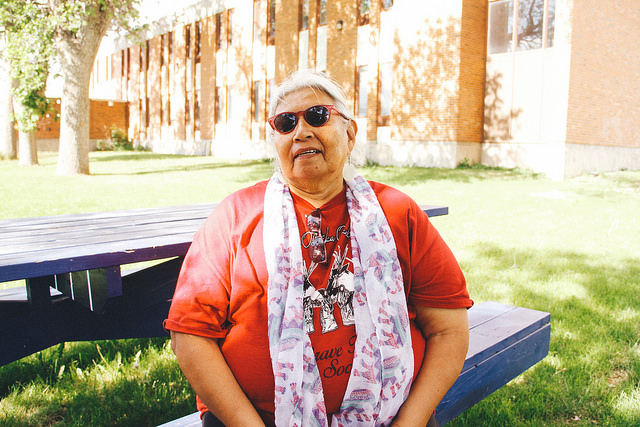
Faith Spotted Eagle at Pine Ridge Tribal Headquarters. Photo Credit: Juliana BrownEyes-Clifford
As natives we have to be fully cognizant of what capacity we stand in — whether it is as a citizen of the USA, or a treaty, or inherent rights defender of Turtle Island. All of the above is built on structural injustice and we must understand how to dismantle those systems. We can’t even reach the Constitution or the Supremacy Clause which recognizes treaties as the supreme law of the land, because they are layered with hierarchies that are patrolled by gate keepers who have the illness of inhumanity.
We are teaching our allies how important our treaties are. The treaty covenant and relationship defines the spirit in which nations relate to each other, with respect and acknowledgement and unilateral strength, nation to nation, and we will never give that up, ever. Federal consultation methods have tried to usurp that standing to promote their immediate needs. At Yankton we have developed our own Woope or consultation standards, based on consent. We are raised to be that way and will never change no matter who is the leader of the western nations.
Often we are seen as angry and difficult people who require laws, enacted recently to further control our supposed unlawful behavior. It is not working, our behavior is within the laws and respect of nature, and it is making us stronger. We are, if anything, peace warriors. Colonialism tries to make us abnormal by saying we are violent. Those who refuse to understand do so intentionally.
One of our esteemed elders, Matthew King or Noble Red Man, effectively explained it for us.
“White man gets everything wrong. He says we’re warlike when we’re peaceful. See, he calls this headdress a war bonnet. Sure, we used it in war, but most of the time it was for ceremony, not war. Each feather stands for a good deed. See, I have thirty-six in mine. It’s not about war, it’s about who we are. When we sing songs the White Man calls them war songs. But they’re not war songs, they’re prayers to God. We have drums, so White Man calls them war drums. But they’re not for war, they’re for talking to God. There’s no such thing as a war drum. White man sees how our warriors paint their faces, so he calls it war paint. But it’s not for war, it’s to make it so God can see our faces clearly if we have to die.” That is courage through humility.
With that respect in mind, we ask those who may come to South Dakota to support against KXL to do so in a way of peace and understanding. Allies must understand their role as visitors to a land that is protected by ceremony of place and protection of sacred sites, burials and ceremony sites that are thousands of years old. Standing Rock was a great ceremony of building understanding that we shared with the world, so do not take it over and center personal needs. It is our identity.
In summary, in order to stand in a place of leadership and humility, one has to first understand their role, or we will get in the way. Secondly, we have to be accountable to someone, because that is strength and discipline. We are firstly accountable to ourselves, family, and those who give us direction and support from an organization, tribe or community. We are entering an age of water wars, as has been told by our elders before us.
We are excited and blessed that we can be a part of your concern, caring and prayers. We send you the same.
Tunkan Inajin Win, Standing Stone, Faith Spotted Eagle
]]>